
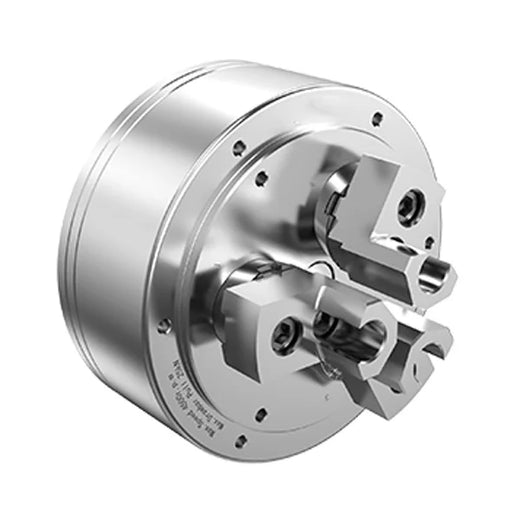
Pull-Back Hydraulic Chucks
Hydraulic pull-back chuck solutions for applications that require axial positioning and secure clamping during CNC lathe workholding.
View Matching ProductsSpecialized Workholding
Browse specialized power chucks for CNC lathe applications that require non-standard clamping, including pull-back hydraulic chucks, Ball Lock hydraulic chucks, floating compensation chucks, finger / face-clamping chucks and oil pipe thread chucks. Send the workpiece details, machine model and clamping method for quotation.
Hydraulic pull-back chuck solutions for applications that require axial positioning and secure clamping during CNC lathe workholding.
View Matching Products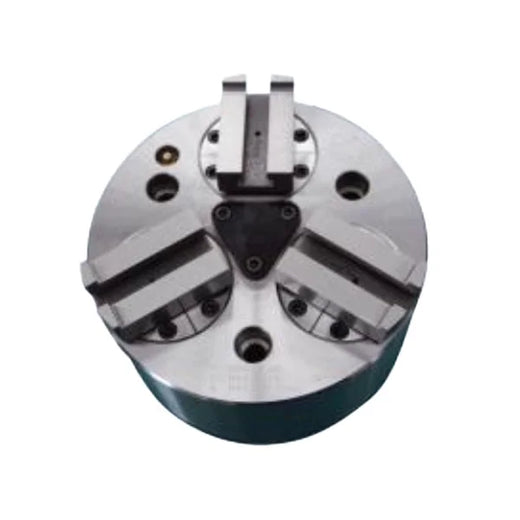
Ball lock hydraulic chuck models for specialized clamping applications where the workpiece and machine setup require a dedicated workholding configuration.
View Matching Products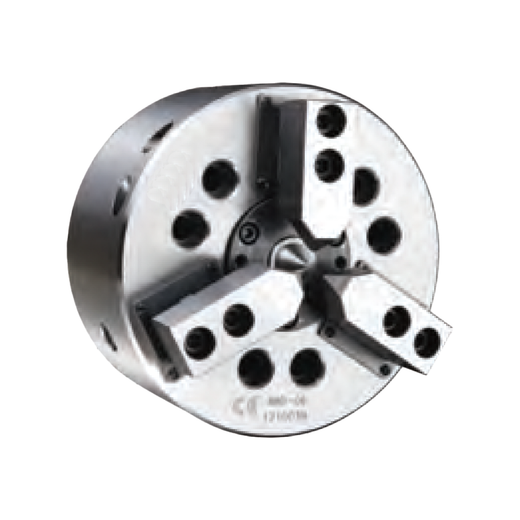
Floating-jaw compensating chuck solutions for applications where jaw movement and workpiece positioning require additional compensation.
View Matching Products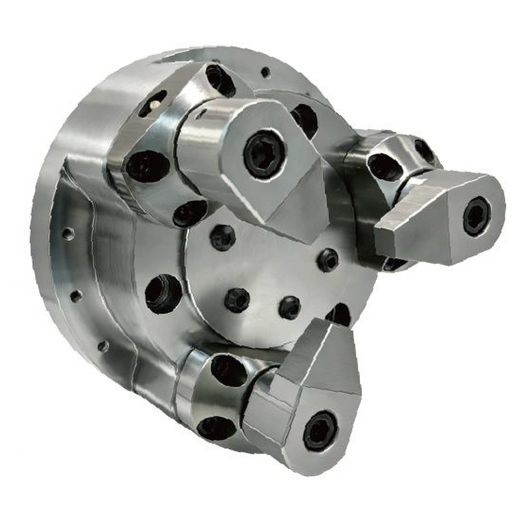
Face-clamping chuck options for workpieces that require clamping from the front face or by a finger-style clamping arrangement.
View Matching Products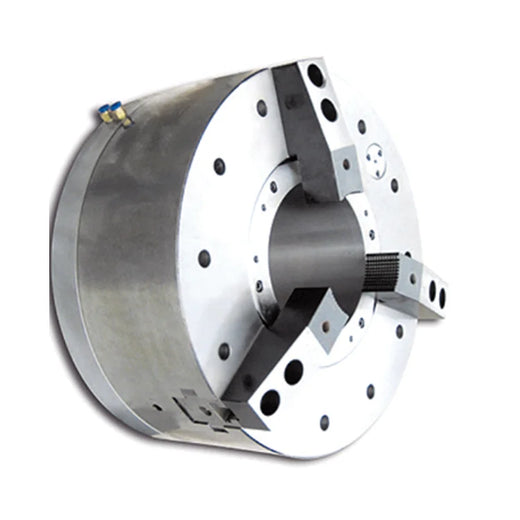
Front-mounted pneumatic chucks for oil pipe threading applications. Existing K53 product pages are reused in this category.
View Matching ProductsUse pull-back hydraulic chucks when the workpiece needs to be pulled firmly against a locating surface during clamping.
Ball Lock hydraulic chucks support stable clamping for selected workpieces where the locking structure and clamping range must be confirmed.
Floating compensation chucks help support workpieces where slight positional variation needs to be absorbed during clamping.
Specialized chuck configurations can be used for oil pipe threading, face clamping and other workholding applications that require non-standard clamping methods.
Choose pull-back, Ball Lock, floating compensation, finger / face-clamping or oil pipe thread configurations according to the workpiece and machining process.
Check whether the application requires hydraulic or pneumatic actuation before selecting a series.
Match the chuck structure to the workpiece diameter, face, thread, locating surface and required clamping direction.
Confirm chuck size, mounting interface and machine compatibility before ordering.
Review the available dimensions and confirmed performance data. Use only confirmed technical data for final selection.
| Chuck Type | Actuation Type | Typical Use | Selection Note |
|---|---|---|---|
| Pull-Back Hydraulic Chuck | Hydraulic | Pulling the workpiece against a locating surface | Confirm model, mount type and positioning requirement |
| Ball Lock Hydraulic Chuck | Hydraulic | Selected workholding applications using a ball lock clamping structure | Confirm clamping range, workpiece size and available technical data |
| Floating Compensation Chuck | Hydraulic | Workpieces with small positional variation | Confirm compensation direction and workpiece support |
| Finger / Face-Clamping Chuck | Hydraulic | Face or finger-style clamping applications | Review workpiece face, contact area and required clamping method |
| Oil Pipe Thread Chuck | Pneumatic | Oil pipe threading and front-mounted pipe workholding | Confirm pipe size, stroke and pneumatic requirements |
Specialized power chucks are supplied by quotation. Send the product type, workpiece drawing, machine model, required size and clamping method so the configuration can be reviewed before ordering.
A specialized power chuck is used when standard power chuck configurations do not match the workpiece, clamping direction or machining process. Selection depends on the chuck type, actuation method, workpiece shape and machine setup.
This collection includes pull-back hydraulic chucks, Ball Lock hydraulic chucks, floating compensation chucks, finger / face-clamping chucks and oil pipe thread chucks.
A Ball Lock Hydraulic Chuck is used for selected workholding applications where the clamping structure, workpiece size and clamping range must be confirmed before ordering.
The Oil Pipe Thread Chuck line in this collection uses pneumatic actuation. It remains listed under Specialized Power Chucks because it is an application-specific chuck family for pipe threading work.
For non-standard clamping requirements, send the workpiece drawing, machine model, required clamping method and quantity. The available configuration can be reviewed before quotation.
Send your workpiece drawing, machine model and clamping requirements. The product type and configuration can be reviewed before quotation.
Use these resources to review machine compatibility, rigidity and RFQ details for specialized chuck applications.
Send application details for specialized chuck quotation review.


